
Professional guide to residential low voltage transformers, community low voltage cables and residential LED power equipment for housing estates
Residential communities, as the most common civilian living scenarios, rely entirely on low voltage power equipment to ensure stable power supply for daily life, public facilities and smart community functions. From the residential low voltage transformers that step down mains voltage to the community low voltage cables that transmit power to each household, and the low voltage supporting equipment for residential LED lighting and security systems, every link is crucial to the safety, efficiency and comfort of community living. This article will detail the core types, application scenarios and selection principles of low voltage power equipment in residential communities, helping you understand the key role of these equipment in civilian scenarios.
Core Types of Low Voltage Power Equipment for Residential Communities
The low voltage power equipment used in residential communities is mainly divided into 4 categories, covering power transformation, transmission, distribution and terminal application:
- Residential Low Voltage Transformers: The core equipment for voltage conversion, stepping down 10kV high voltage to 380V/220V low voltage suitable for household and public use, usually installed in community transformer rooms, with small size, low noise and high efficiency characteristics.
- Community Low Voltage Cables & Wires: Including power cables (for building trunk lines) and household wiring cables, responsible for transmitting low voltage power to each building, unit and household, requiring flame retardancy, low smoke and halogen-free properties to ensure fire safety.
- Low Voltage Distribution Equipment: Such as distribution boxes, switch cabinets, circuit breakers, etc., used to distribute power to different areas (residential buildings, public lighting, parking lots) and protect the power system from overload and short circuit.
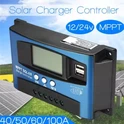
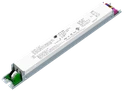
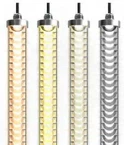
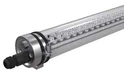
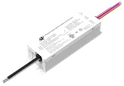
- Residential LED Power Supporting Equipment: Low voltage drivers, dimmers and power supplies matching community LED street lights, corridor lights, landscape lights, ensuring stable operation of LED lighting systems with energy saving and long service life.
Typical Application Scenarios of Low Voltage Power Equipment in Residential Communities
1. Household Daily Power Supply
The residential low voltage transformer converts high voltage to 220V household voltage, and the community low voltage cables transmit power to each household's distribution box, supporting the operation of household appliances (refrigerators, air conditioners, kitchen appliances), lighting and smart home equipment. Key requirements: stable voltage, low power loss, and overload protection.
2. Community Public Area Lighting
- Corridor & Stairwell Lighting: Low voltage LED lights matched with 12V/24V low voltage drivers, energy saving and safe, suitable for frequent on/off scenarios;
- Road & Parking Lot Lighting: 380V/220V low voltage LED street lights, powered by dedicated low voltage cables, with photoelectric sensors to realize automatic on/off at dusk and dawn;
- Landscape Lighting: Low voltage RGB LED strip lights and spotlights, matched with waterproof low voltage cables, decorating community green spaces and water features.
3. Community Security & Smart System
Low voltage power equipment provides stable power for security cameras, access control systems, fire alarm systems and smart property management platforms. For example:
- Security cameras use 12V low voltage power supply to avoid electric shock risks in outdoor installation;
- Smart access control and elevator control systems rely on low voltage distribution equipment to ensure uninterrupted power supply.
4. Public Facility Power Supply
Community water pumps, elevators, charging piles for electric vehicles and fitness equipment are all powered by low voltage power systems. The low voltage distribution equipment can realize separate power distribution and monitoring for different facilities, facilitating maintenance and energy management.
Selection & Maintenance of Low Voltage Power Equipment for Communities
1. Core Selection Principles
- Safety Compliance: Select equipment with CE, UL, IEC certifications to meet international safety standards, especially for cables and transformers used in public areas;
- Energy Efficiency: Choose high-efficiency low voltage transformers (level 2 or above) and energy-saving LED drivers to reduce community power consumption and property costs;
- Environmental Adaptability: Outdoor equipment (cables, transformers) should have waterproof, anti-UV and anti-corrosion properties; indoor equipment should be flame retardant and low smoke;
- Scalability: The low voltage distribution system should reserve capacity for smart community upgrades (such as 5G base stations, intelligent energy management).
2. Daily Maintenance Key Points
- Regularly inspect low voltage transformers for oil leakage, abnormal noise and temperature rise;
- Check the insulation layer of community low voltage cables for aging and damage, especially in wet areas (basements, corridors);
- Test the protection function of distribution boxes and circuit breakers to ensure they can trip quickly in case of faults;
- Clean and maintain LED drivers regularly to avoid overheating and affect the service life of lighting equipment.
HYDGET's Low Voltage Power Equipment Solutions for Residential Communities
As a professional supplier of high and low voltage power equipment, HYDGET provides a full set of low voltage equipment solutions for residential communities, with the following advantages:
- Integrated Product Portfolio: One-stop supply of low voltage transformers, flame-retardant low voltage cables, distribution boxes and LED power drivers, matching the overall needs of community power systems;
- Customized Design: According to the scale of the community (number of households, public area size) and regional climate characteristics, customize transformer capacity, cable specifications and LED supporting equipment;
- High Reliability: All equipment adopts high-quality materials and strict testing, with a service life of more than 15 years, reducing maintenance frequency and costs;
- Technical Support: Provide on-site installation guidance, equipment debugging and long-term after-sales service, ensuring the stable operation of the community's low voltage power system.
Need Low Voltage Power Equipment for Residential Community Projects?
Email: sales@hydgetpower.com
Phone: +86 15251996760
HYDGET has rich experience in supplying low voltage power equipment for residential communities, commercial housing estates and smart communities worldwide. Contact us to get customized solutions and competitive quotes!
© 2025 HYDGET Power Engineering Co., Ltd. All Rights Reserved.
Residential Low Voltage Transformers | Community Low Voltage Cables | LED Power Equipment Supplier