
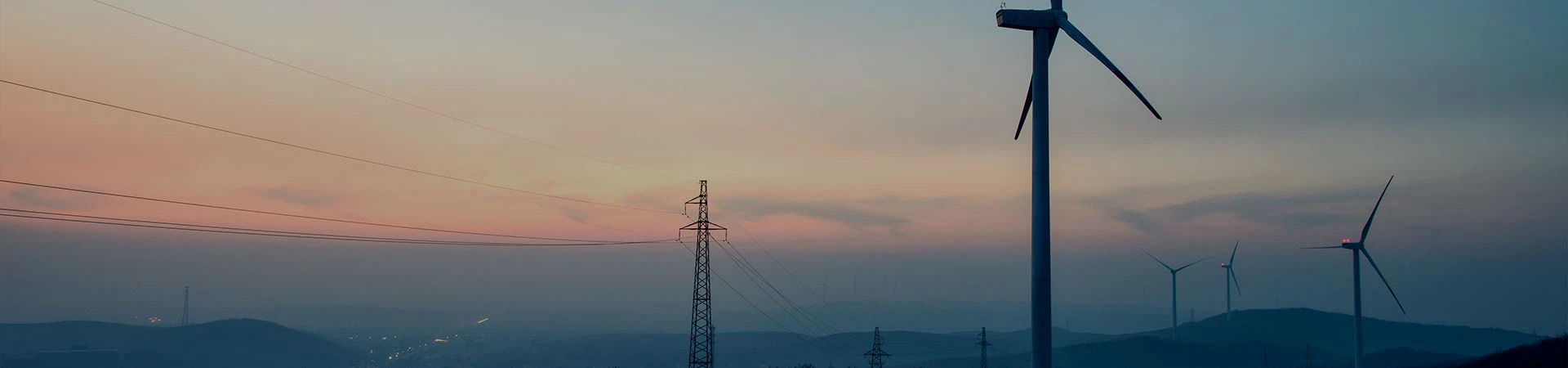
Africa's energy infrastructure market is projected to reach $136 billion by 2030, driven by renewable expansion, grid modernization, and rural electrification. For suppliers of transformers, switchgear, and solar systems, navigating the continent's fragmented regulatory landscape is critical. Hydget breaks down key standards and compliance strategies for entering Africa's high-growth markets.
1. South Africa: NRCS and SABS Certification
South Africa enforces stringent certification through two agencies:
NRCS (National Regulator for Compulsory Specifications):
Mandates Letters of Authority (LOA) for electrical safety and energy efficiency.
Covers household appliances, industrial machinery, and lighting.
Valid for 3 years, requires local importer registration.
SABS (South African Bureau of Standards):
Governs EMC compliance via Certificate of Conformity (CoC).
Standards: SANS IEC 60335 (household appliances), SANS 60950 (IT equipment), and SANS 61000 (EMC).
Critical for grid-tied equipment: Voltage must align with 220V/50Hz (240V in some regions).
Procurement Tip: For transformers, ensure vector group Dyn11 (distribution) or Dyn1 (power) to avoid harmonic issues.
2. Nigeria: NEMSA Regulations for Grid Stability
Nigeria's power sector mandates:
Transformers: Must comply with Nigerian Electricity Supply and Installation Standards (NESIS):
Distribution transformers (50kVA–2,500kVA): Vector group Dyn11.
Power transformers (2.5MVA–30MVA): Vector group Dyn1.
Non-compliance causes harmonics, overheating, and grid instability.
Switchgear & Cables: Require IEC 62271-200 (HV gear) and IEC 60439-1 (LV assemblies).
Case Study: Substandard transformers caused $120M+ in grid losses (2023), accelerating NEMSA's enforcement.
3. Kenya: PVoC Certification for East African Access
Kenya's Pre-Export Verification of Conformity (PVoC) requires:
COC (Certificate of Conformity): Issued after testing to KS standards (e.g., KS IEC 60335 for appliances).
Key Requirements:
Voltage: 240V/50Hz with BS 1363 3-pin plugs.
EMC: KS CISPR standards for electromagnetic interference.
Labeling: Swahili/English bilingual safety warnings.
Cost & Time:
1,000–1,000–1,000–
5,000 for testing; 4–6 weeks for CoC issuance.
4. Pan-African Trends: Harmonization Challenges
Voltage Mismatch:
West Africa: 230V/50Hz (Nigeria, Ghana).
East Africa: 240V/50Hz (Kenya, Tanzania).
Southern Africa: 220V/50Hz (South Africa, Zambia).
Green Energy Shift:
South Africa's SF6 ban by 2025 pushes eco-friendly switchgear.
Nigeria's 30% renewable target drives demand for solar-compliant transformers (e.g., Dyn11 vector groups).
5. Supplier Action Plan: 5 Steps to Compliance
Pre-Certify Core Products:
Align transformers with IEC 60076-11 (dry-type) or IEC 60076-1 (liquid-cooled).
Use tin-plated copper busbars for corrosion resistance in coastal regions.
Partner Locally:
Register with South African importers for NRCS LOA.
Hire Kenyan agents for PVoC CoC applications.
Adapt to Regional Nuances:
Nigeria: Label equipment with NEMSA-approved vector groups.
Kenya: Include Swahili safety manuals.
Leverage International Certificates:
CB Scheme reports reduce retesting costs in South Africa.
CE/ISO 9001 certifications expedite PVoC in Kenya.
Budget for Compliance Costs:Testing:
1,000–1,000–1,000–
5,000 (PVoC) or
2,000–2,000–2,000–
8,000 (NRCS).
Local agent fees: 5–10% of shipment value.
6. Future Outlook: Smart Grids and Localization
IoT Integration: Smart meters and transformers require KS 62053-30 (Kenya) or IEC 61850 (South Africa).
Local Content Rules:
Nigeria mandates 30% local manufacturing for power projects.
South Africa's NRCS LOAs only issued to domestic importers.
Why Partner with Hydget?
Hydget simplifies Africa market entry with:
Pre-Certified Kits: Solar transformers with Dyn11 vector groups for Nigeria, SF6-free switchgear for South Africa.
End-to-End Support: LOA/CoC documentation, local agent networking, and logistics.
Cost Efficiency: 15–20% savings via modular designs and CB Scheme leverage.