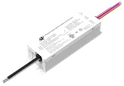


Transformers are essential components in electrical systems, enabling the efficient transfer of electrical energy from one circuit to another through electromagnetic induction. They play a crucial role in the functioning of various electrical devices and systems, allowing for the conversion of alternating current (AC) voltages from one level to another. Without transformers, many of the electrical devices and machinery we rely on daily would not operate effectively.

Definition
Transformer: A transformer is a device that transfers electrical energy between two or more circuits through electromagnetic induction. Its primary function is to adjust the voltage levels of AC electricity, either stepping it up or down, depending on the requirements of the electrical system.
Three-Phase Transformer: A three-phase transformer consists of three windings or coils, each connected to the same three-phase electrical supply. The primary winding receives voltage from the power source, while the secondary windings transfer power to the load. This configuration allows for efficient power distribution, particularly in industrial applications.
Single-Phase Transformer: A single-phase transformer has only one winding or coil connected to a single-phase electrical line. It features an input coil that receives electrical power and an output coil that delivers this power to the load. Single-phase transformers are simpler in design and are typically used in less demanding applications.
Function
Three-Phase Transformer: The primary function of a three-phase transformer is to take a single-phase input voltage and divide it into three distinct phases. This allows for a balanced load across the three phases, which is particularly beneficial for powering large industrial machinery and electric motors. The transformer can either step up or step down the voltage based on its configuration, ensuring that the output voltage matches the requirements of the connected load devices.
Single-Phase Transformer: A single-phase transformer functions by taking the single-phase line voltage and adjusting it as needed. It can step the voltage up or down, depending on the specific application. The output of a single-phase transformer is typically used to power residential appliances, small motors, and other devices that do not require the higher power levels associated with three-phase systems.
Scope of Use
Three-Phase Transformers: These transformers are commonly found in industrial settings, where they are used to power heavy machinery, electric motors, and other equipment that requires higher voltage levels. They are also integral to power distribution systems and grid connections, where efficient power transfer is essential for meeting the demands of large-scale electrical loads.
Single-Phase Transformers: Single-phase transformers are primarily used in residential and light commercial applications. They are ideal for powering household appliances, lighting systems, and small motor control circuits. Their simpler design makes them suitable for applications where the electrical loads are lower and do not necessitate the complexity of three-phase systems.
Advantages and Disadvantages
Three-Phase Transformer:
Advantages:
Higher efficiency: Three-phase transformers are generally more efficient than single-phase transformers of the same rating. They can deliver three times the power, resulting in lower current requirements for the same load, which can lead to reduced energy losses.
Balanced load: The three-phase configuration helps distribute the electrical load evenly, minimizing the risk of overheating and enhancing the lifespan of connected equipment.
Disadvantages:
Higher cost: Three-phase transformers are more expensive than their single-phase counterparts due to their more complex design, which requires three separate windings or coils.
Complexity: The installation and maintenance of three-phase transformers can be more complicated, requiring specialized knowledge and equipment.
Single-Phase Transformer:
Advantages:
Lower cost: Single-phase transformers are generally less expensive than three-phase transformers due to their simpler design, which consists of only one primary coil and one secondary coil.
Simplicity: Their straightforward design makes single-phase transformers easier to install and maintain, making them suitable for residential and light commercial applications.
Disadvantages:
Lower efficiency: Single-phase transformers are less efficient than three-phase transformers, requiring more current to deliver the same power to a load. This can lead to increased energy losses, especially in high-demand situations.
Limited power capacity: Single-phase transformers are not suitable for powering large industrial equipment or high-voltage applications, limiting their scope of use.
Conclusion
To summarize, the difference between a three-phase transformer and a single-phase transformer is the number of electrical conductors used to connect the secondary windings to the load. A three-phase transformer has three conductors, and a single-phase transformer only has two. They both have their advantages and disadvantages, and are used in different applications depending on their requirements.
We at HYDGET have many years of production and business experience in the domestic and overseas markets. We have professional personnel to solve customers' problems at any time.
You can browse the relevant product links in our website for more information.
Hydget Transformers
Welcome to contact us
Contact: Ricky Li
Whatsapp: +86 152 5199 6760
Wechat: +86 152 5199 6760
Email: rickyli@hydget.com