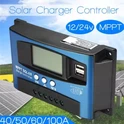

A household photovoltaic system refers to a system that converts solar energy into electricity for home use. It consists of solar panels, inverters, batteries, and monitoring systems. By concentrating solar panels on rooftops or other locations, the system converts sunlight into electricity, which is then transformed into alternating current for household use by the inverter. Excess electricity is stored in batteries for use at night or during periods of poor weather or insufficient sunlight. The advantages and disadvantages of household photovoltaic systems include:,

Advantages of Household Photovoltaic Systems:
Environmental Protection and Energy Saving: Photovoltaic power generation is an environmentally friendly, clean, and low-carbon way of generating electricity. It does not produce pollution or greenhouse gases, contributing positively to reducing energy consumption, alleviating energy crises, and improving environmental pollution.
Self-Sufficiency: Once installed, a household photovoltaic system can independently supply electricity to the home, eliminating the need to purchase additional power and reducing household electricity costs.
High Reliability: Photovoltaic cells have long-term reliability, and they operate silently without moving parts, requiring little maintenance and having a long lifespan. This reduces potential issues with the household power system and minimizes maintenance costs.
Increased Property Value: Installing solar panels can increase the value of a home, and in some regions with supportive policies, the government may provide subsidies.
Disadvantages of Household Photovoltaic Systems:
High Initial Investment: The research and manufacturing costs of solar panels are relatively high, leading to a significant initial investment for installing the entire system.
Weather Dependency: Photovoltaic panels need sunlight to generate electricity, and varying weather conditions can affect the performance of the household photovoltaic system.
Space Occupation: Solar panels need to be installed outdoors, occupying a certain amount of space. This can pose challenges for households with small rooftops or those unable to install panels.
In summary, household photovoltaic systems represent an innovative, low-carbon, environmentally friendly, and sustainable energy solution, and they are expected to become a mainstream energy supply method in future developments.
You can browse the relevant product links in our website for more information.
Hydget Solar Energy
Welcome to contact us
Contact: Ricky Li
Whatsapp: +86 152 5199 6760
Wechat: +86 152 5199 6760
Email: rickyli@hydget.com