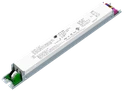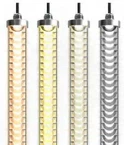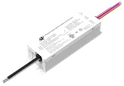


Electric power fittings encompass a range of components used in electrical systems to ensure proper transmission, distribution, and utilization of electric power. These fittings serve various purposes, primarily focusing on safety, efficiency, and reliability within power systems. The main performance, purpose, and models of electric power fittings can be categorized as follows:
Performance:
Conductivity: Electric power fittings are designed to maintain excellent conductivity to facilitate the smooth flow of electricity without significant resistance or loss.
Durability: They must endure various environmental conditions, including heat, cold, moisture, and corrosion, ensuring long-term reliability.
Mechanical Strength: Fittings need to withstand mechanical stress, vibrations, and other external forces without compromising their functionality.
Insulation: Some fittings incorporate insulation features to prevent leakage of current or to provide protection against electrical shocks.
Purpose:
Transmission and Distribution: Power fittings are used in the construction and maintenance of overhead and underground power lines, supporting conductors, insulating, and connecting them to ensure efficient transmission and distribution of electricity.
Safety: Ensuring the safety of personnel, infrastructure, and the general public by providing secure connections, grounding systems, and insulation against potential electrical hazards.
Versatility: Power fittings are designed to accommodate various types of conductors, voltages, and configurations, providing adaptability for different power system setups.
Maintenance and Repairs: Some fittings allow for ease of maintenance and repair, enabling technicians to work efficiently on power systems without interrupting the overall supply.
Models:
Insulators: These prevent the flow of electricity between the conductor and the supporting structure.
Connectors and Clamps: Used to join conductors, cables, or wires securely at joints or intersections, ensuring continuity in the electrical circuit.
Suspension Hardware: Supports conductors in overhead transmission lines, managing tension and minimizing sag.
Anchors and Foundations: Provides stability and support to structures like poles, towers, or masts holding electrical equipment.
Termination and Splicing: Used to connect the ends of cables or conductors, ensuring a reliable electrical connection.
Protective Devices: These include surge arresters, circuit breakers, and fuses, which protect the system from overloads and faults.
Electric power fittings are manufactured by numerous companies worldwide, each offering a range of models tailored to specific applications, voltage ratings, and environmental conditions.
The choice of fittings depends on the specific requirements of the electrical system, considering factors such as voltage levels, load capacity, environmental conditions, and safety regulations.