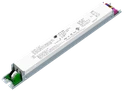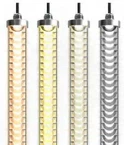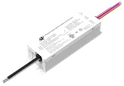


Construction materials and equipment are essential components in the building process, ensuring that projects are completed efficiently and safely. Common materials include concrete, steel, wood, and insulation, each serving specific functions such as structural support, thermal regulation, and aesthetic appeal. Equipment used on construction sites includes cranes for lifting heavy materials, excavators for digging, and scaffolding for providing safe access to elevated areas. Additionally, temporary materials like safety barriers and signage are crucial for maintaining a secure work environment. Overall, the right combination of materials and equipment is vital for the successful execution of construction projects.
Here are some commonly used temporary materials and equipment for construction, along with their purposes:
Scaffolding:
Purpose: Provides a safe working platform for workers, facilitating high-altitude operations.
Temporary Fencing:
Purpose: Protects the construction area, ensuring safety and preventing unauthorized access.
Temporary Power Supply:
Purpose: Provides electricity for construction equipment and tools.
Temporary Lighting Equipment:
Purpose: Ensures adequate lighting at the construction site for safe work.
Safety Nets:
Purpose: Prevents falling objects, protecting workers and surrounding personnel.
Temporary Roads:
Purpose: Provides a passage for construction vehicles, ensuring smooth material transportation.
Water Pipes and Pumps:
Purpose: Supplies water needed for construction, such as for concrete pouring.
Temporary Toilets:
Purpose: Provides convenience for workers, maintaining hygiene at the construction site.
Toolboxes and Equipment:
Purpose: Stores and protects construction tools, ensuring their safety and organization.
Safety Signs and Warning Boards:
Purpose: Alerts workers and passersby to safety, indicating construction and hazardous areas.
These temporary materials and equipment play a crucial role in ensuring safety and efficiency during construction.