
The main components of power transmission and transformation lines include:
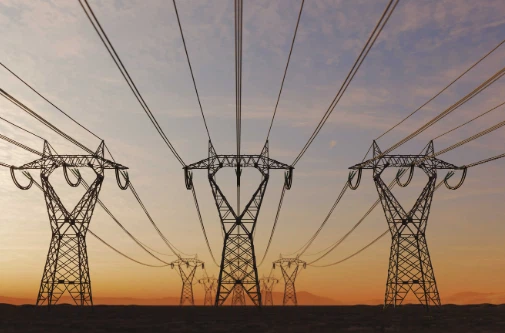
Transmission Lines:
These are high-voltage lines that carry electricity over long distances from power plants to substations. They are typically constructed using aluminum or copper conductors, which are lightweight and have good conductivity. Transmission lines are designed to minimize energy loss during transmission and are often suspended from tall towers to maintain a safe distance from the ground and other structures.
Substations:
Substations play a crucial role in the power distribution network. They are facilities where the voltage of electricity is transformed from high to low (or vice versa) using transformers. Substations also serve as points for switching and controlling the flow of electricity. They contain various equipment, including circuit breakers, switches, and protective relays, to ensure the safe and efficient operation of the power system.
Distribution Lines:
After electricity is transformed to a lower voltage at substations, it is distributed to end-users through distribution lines. These lines can be overhead or underground and typically operate at lower voltages (such as 120V, 240V, or 480V). Distribution lines connect residential, commercial, and industrial consumers to the power grid.
Insulators:
Insulators are critical components that support and insulate the transmission lines from the supporting structures (like towers or poles). They prevent electrical current from leaking to the ground and ensure the safety and reliability of the transmission system. Insulators are usually made from materials like porcelain, glass, or composite materials that can withstand high voltages and environmental conditions.
Transformers:
Transformers are devices used to change the voltage level of electricity. In transmission systems, step-up transformers increase the voltage for efficient long-distance transmission, while step-down transformers reduce the voltage for safe distribution to consumers. Transformers are essential for maintaining the balance of the electrical grid and ensuring that electricity is delivered at the appropriate voltage levels for different applications.
Circuit Breakers:
Circuit breakers are protective devices that automatically interrupt the flow of electricity in the event of a fault, such as a short circuit or overload. They help protect the electrical system from damage and ensure the safety of both equipment and personnel. Circuit breakers can be found in substations and at various points along the transmission and distribution network.
Protective Relays:
Protective relays monitor the electrical system for abnormal conditions, such as overcurrent, under-voltage, or frequency deviations. When a fault is detected, the relay sends a signal to the circuit breaker to disconnect the affected section of the network, preventing damage and maintaining system stability.
Control Systems:
Modern power transmission systems utilize advanced control systems for monitoring and managing the flow of electricity. These systems can include Supervisory Control and Data Acquisition (SCADA) systems, which provide real-time data on system performance, allowing operators to make informed decisions and respond quickly to any issues that arise.
Each of these components plays a vital role in ensuring the efficient, safe, and reliable transmission and distribution of electrical energy from generation sources to end-users. Understanding these components helps in appreciating the complexity and importance of power transmission systems in modern society. If you have any further questions or need more details, feel free to ask!
You can browse the relevant product links in our website for more information.
Hydget Products
Welcome to contact us
Contact: Ricky Li
Whatsapp: +86 152 5199 6760
Wechat: +86 152 5199 6760
Email: rickyli@hydget.com