

As a trusted leader in renewable energy solutions, Hydget specializes in designing high-performance solar panels that form the backbone of off-grid photovoltaic (PV) systems. With over 1.2 billion people globally relying on off-grid energy, understanding the science and engineering behind solar panels is key to unlocking sustainable power independence. Here's how Hydget's technology harnesses sunlight to fuel off-grid applications, from remote villages to industrial sites.
The Science Behind Solar Panels
At the core of every solar panel lies the photovoltaic effect-a process where sunlight triggers electron movement in semiconductor materials, generating direct current (DC) electricity. Hydget's panels utilize silicon-based cells, engineered with a P-N junction structure:
P-type silicon (doped with boron) creates positively charged "holes."
N-type silicon (doped with phosphorus) adds free electrons.
When sunlight strikes the panel, photons energize electrons, causing them to cross the P-N junction and create an electric current. This current is collected by conductive metal grids on the cell surface, channeling energy to power off-grid systems.
Anatomy of a Hydget Solar Panel
Hydget's panels are meticulously layered for durability and efficiency:
Tempered Glass (3.2mm): Anti-reflective, ultra-clear glass protects the cells while allowing 91% light transmission, even under harsh UV exposure.
EVA Encapsulation: Ethylene-vinyl acetate bonds the glass to the cells, preventing moisture ingress and mechanical stress. Hydget's cross-linked EVA ensures 25-year delamination resistance.
Solar Cells: Monocrystalline silicon cells achieve up to 24% efficiency, ideal for high-output applications, while polycrystalline options balance cost and performance (15–18% efficiency). For low-light conditions, Hydget offers thin-film amorphous silicon panels with 10% efficiency but superior weak-light performance.
Backsheet: A multi-layered polymer (TPT/TPE) shields against humidity and thermal degradation, critical for tropical or coastal installations.
Aluminum Frame: Lightweight yet rugged, the frame withstands snow loads up to 5,400Pa and wind speeds of 60m/s.
Optimized for Off-Grid Challenges
Hydget's panels are engineered to thrive in demanding environments:
Extreme Temperatures: Advanced thermal management minimizes efficiency loss-even at 85°C desert heat.
Low-Light Performance: Non-crystalline amorphous silicon panels generate power under cloud cover or dawn/dusk conditions.
Corrosion Resistance: Salt spray-tolerant coatings make Hydget panels ideal for offshore oil rigs or island microgrids.
In a 2024 project in Kenya's Maasai Mara, Hydget's 450W monocrystalline panels maintained 92% output despite frequent sandstorms, powering water pumps and medical refrigerators.
Smart Integration with Off-Grid Systems
Hydget panels seamlessly connect to charge controllers, batteries, and inverters:
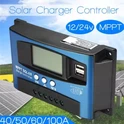
MPPT Controllers: Extract 30% more energy than PWM models by dynamically adjusting voltage to match panel output.
Battery Compatibility: LiFePO4 or lead-acid batteries store excess energy, ensuring 24/7 power availability.
Hybrid Readiness: Integrate with wind turbines or diesel generators via Hydget's AI-driven energy management systems.
Why Hydget Stands Out
Certified Reliability: IEC 61215/61730 compliance guarantees performance in -40°C to 85°C ranges.
Custom Configurations: 12V to 48V systems for cabins, telecom towers, or megawatt-scale industrial plants.
Sustainability: Recyclable materials reduce lifecycle carbon footprint by 40%.
Empower your off-grid projects with Hydget-where innovation meets unwavering energy resilience.