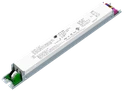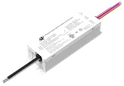


The power supply voltage regulator is a voltage-regulating power supply that can provide an adjustable voltage to the load. It can call out a variety of power supply voltages suitable for the requirements of electrical equipment. Therefore, with the development of the power system, the improvement of the voltage level and the increase of the transmission capacity, the power supply is adjusted.
Because of its low loss and low cost, it is widely used. So how do we choose a power supply regulator that suits us? It is mainly determined by the following three points.
1. Voltage range: The voltage range should meet the needs of the load equipment.
2. Rated capacity: The capacity of the power supply voltage regulator should be higher than the total capacity of the load, especially for inductive loads and capacitive loads, and the impact margin at startup should be left. Generally, it is 30—higher than the total capacity of the load. 40%. For example, 40KVA is required. And for ordinary pure resistive loads, we can choose a 45KVA power supply voltage regulator, if it is an inductive load and a capacitive load, we can choose a power supply voltage regulator above 60KVA.
3. Rated current: The rated current of the power supply voltage regulator is higher than the ** current when the load is working ** voltage. If it is an inductive load and a capacitive load, a margin of 30% should be left.