
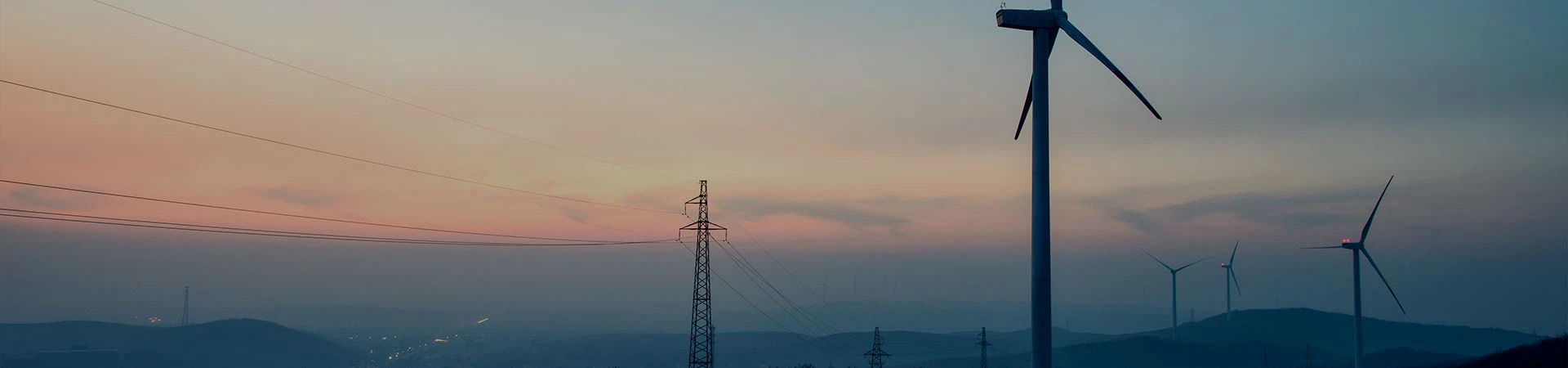
For long-distance power transmission, high-voltage direct current (HVDC) cables are commonly used. HVDC cables are used to transmit electrical power over long distances with reduced losses compared to traditional alternating current (AC) transmission systems. These cables are typically made of copper or aluminum conductors insulated with materials designed to withstand the high voltages used in long-distance transmission.
HVDC transmission has several advantages over traditional AC transmission, including lower transmission losses, better control of power flow, and the ability to transmit power over very long distances without significant voltage drop. This makes HVDC cables especially suitable for interconnecting power grids across regions or countries.
It's worth noting that the choice between AC and HVDC transmission depends on various factors, including the distance of transmission, the amount of power to be transmitted, and the cost considerations. While HVDC is often preferred for long-distance transmission, AC transmission is still commonly used for shorter distances and within local power distribution networks.