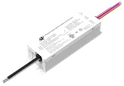

Energy-saving transformer is a power transformer with improved design, which aims to reduce energy loss in the voltage transformation process by adopting advanced technology and materials. The loss of this transformer (including copper loss, iron loss and no-load loss) is relatively low, which can improve energy utilization efficiency.
Energy-saving transformers have the following advantages over traditional transformers:
Higher energy efficiency: The design and materials of energy-saving transformers (such as the use of high conductivity and low-loss core materials) enable it to significantly reduce no-load losses and load losses, thereby improving energy efficiency.
Reduced energy consumption: Due to its lower energy loss, energy-saving transformers can reduce power consumption during long-term operation, which not only saves electricity bills, but also reduces the impact on the environment.
Reduce temperature rise: Energy-saving transformers usually operate at a lower temperature, which reduces heat generation and helps extend the service life and maintenance cycle of the transformer.
Improve power quality: Efficient design helps improve the power quality of the power system, reduce harmonics and electromagnetic interference, and ensure the normal operation of equipment.
Policy support and subsidies: Many countries and regions provide policy support and financial subsidies for energy-saving products. Additional economic benefits may be gained from purchasing and using energy-saving transformers.
Environmentally friendly: Due to its high energy utilization efficiency, energy-saving transformers help reduce greenhouse gas emissions and meet the requirements of sustainable development.
To sum up, energy-saving transformers have significant advantages in improving energy efficiency, reducing costs and reducing environmental impact.